

The Educational Value of Digital History Exhibits
History is not just about dates and facts. It is a living story that connects us to our roots, our struggles, and our triumphs. When history is presented through engaging, interactive platforms, it becomes a powerful tool for learning and inspiration. That is why I am passionate about the educational value of digital history exhibits. These innovative experiences bring the past to life in ways that textbooks alone cannot achieve.
Unlocking the Power of Educational History Exhibits
Educational history exhibits have transformed the way we explore the past. They offer immersive environments where stories unfold dynamically, inviting us to step inside history rather than just read about it. Whether through virtual reality, interactive timelines, or multimedia presentations, these exhibits make history accessible and exciting.
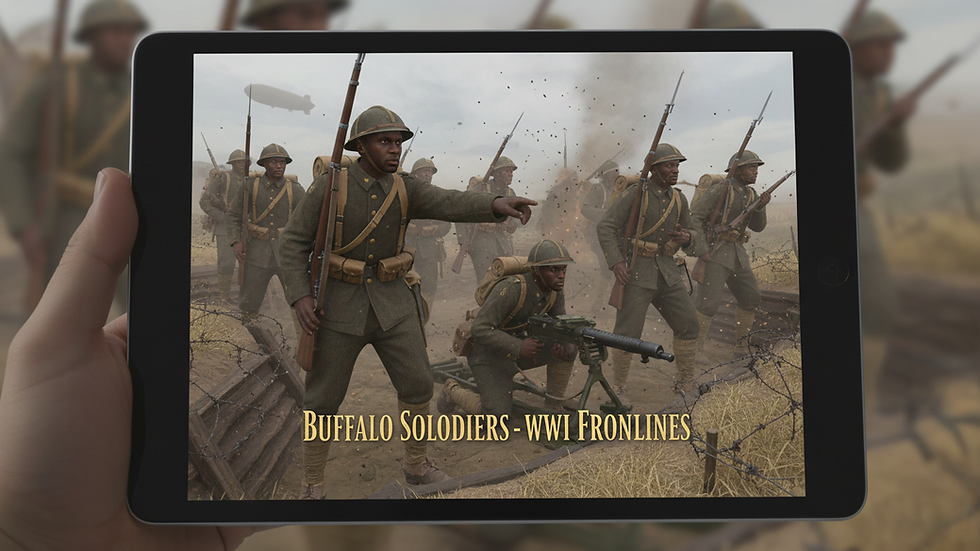
For example, imagine walking through a digital recreation of a Buffalo Soldier camp in North Texas. You can hear the sounds of the campfire, see the uniforms, and learn about the soldiers’ daily lives through firsthand accounts. This kind of engagement deepens understanding and empathy. It moves history from abstract to tangible.
Key benefits of educational history exhibits include:
Interactive learning: Users engage actively, which improves retention.
Multisensory experiences: Combining visuals, audio, and text appeals to different learning styles.
Accessibility: Digital platforms can reach audiences beyond physical museum walls.
Contextual storytelling: Exhibits can weave complex narratives that highlight diverse perspectives.
These elements combine to create a rich educational environment that inspires curiosity and critical thinking.

How Educational History Exhibits Inspire Deeper Connections
When history is presented digitally, it invites exploration at your own pace. You can dive deeper into topics that resonate with you, pause to reflect, or revisit sections as needed. This personalized approach fosters a stronger connection to the material.
Take, for instance, the story of the Buffalo Soldiers. Their legacy is a vital part of American history, yet it is often overlooked. Through digital history exhibits, their contributions are highlighted with vivid storytelling and authentic artifacts. This not only educates but also honors their sacrifices and achievements.
Moreover, these exhibits encourage dialogue. They can include forums, quizzes, and social sharing options that spark conversations among learners. This communal aspect enriches the educational experience and builds a sense of shared heritage.
To maximize the impact of educational history exhibits, consider these strategies:
Incorporate primary sources: Letters, photographs, and oral histories add authenticity.
Use multimedia elements: Videos, animations, and soundscapes create immersive atmospheres.
Design for accessibility: Ensure content is usable for people with disabilities.
Encourage active participation: Interactive quizzes and challenges keep users engaged.
By blending these approaches, exhibits become more than just displays—they become gateways to understanding and empathy.
The Role of Technology in Preserving History
Technology is a powerful ally in preserving and promoting history. Digital archives and exhibits safeguard fragile documents and artifacts from physical decay. They also democratize access, allowing anyone with an internet connection to explore history from anywhere.
For organizations like the North Texas Buffalo Soldier Inc., technology offers a platform to share the rich legacy of the Buffalo Soldiers with a wider audience. Through digital history exhibits, they can create immersive educational programs that inspire future generations.
One exciting example is the use of augmented reality (AR) to bring historical sites to life. Visitors can point their smartphones at a location and see overlays of historical events or figures. This fusion of past and present creates a memorable learning experience that resonates deeply.
Practical tips for leveraging technology in history exhibits:
Partner with tech experts to develop user-friendly platforms.
Regularly update content to keep it fresh and relevant.
Use analytics to understand visitor engagement and improve exhibits.
Promote exhibits through social media and community outreach.
Technology, when thoughtfully applied, amplifies the educational power of history.
Engaging Diverse Audiences Through Storytelling
Storytelling is at the heart of every great history exhibit. It transforms facts into narratives that captivate and inspire. Digital history exhibits excel at weaving stories that reflect diverse voices and experiences.
For example, the Buffalo Soldiers’ story is not just about military history. It is about resilience, courage, and the fight for equality. By highlighting personal stories within the broader historical context, exhibits create emotional resonance that motivates learning.
To engage diverse audiences, exhibits should:
Highlight underrepresented perspectives.
Use inclusive language and imagery.
Offer content in multiple languages if possible.
Provide different entry points for learners of all ages and backgrounds.
This approach ensures that history is not a distant memory but a shared legacy that belongs to everyone.
Bringing History to Life: Your Role in the Journey
The journey through history is ongoing, and you play a vital role in it. Whether you are a student eager to learn, an educator seeking new tools, or a history enthusiast hungry for deeper knowledge, digital history exhibits offer a gateway to discovery.
I encourage you to explore these exhibits actively. Take notes, ask questions, and share what you learn with others. Support organizations that preserve history and create educational programs. Your engagement helps keep history alive and relevant.
If you want to dive deeper into the legacy of the Buffalo Soldiers and experience history in a fresh, immersive way, check out this digital history exhibits platform. It’s a powerful resource that brings the past into the present with warmth and strength.
Together, we can honor the past, enrich the present, and inspire the future through the educational power of history.
History is a living rhythm, a beat that pulses through time. Digital history exhibits are the instruments that play this rhythm loud and clear, inviting us all to listen, learn, and carry the melody forward.


Comments